Free-to-play (F2P) games have become some of the biggest titles in the world. While they cost nothing to start playing, they are businesses designed to make money through in-game purchases. Without a plan, it's easy to spend far more than you would on a traditional, full-price game.
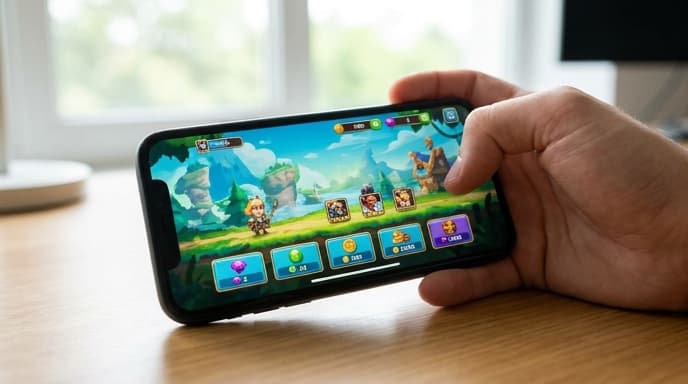
This guide will help you understand the common ways F2P games encourage spending and give you practical strategies to enjoy them without accidentally emptying your wallet.
Understanding Common Monetization Tactics
Game developers use several proven methods to generate revenue from F2P games. Recognizing them is the first step to making informed spending decisions.
- Cosmetic Items: These are skins, outfits, and other visual customizations that don't affect gameplay. They appeal to players' desire for self-expression.
- Battle Passes: A system where players pay a flat fee for a 'season' of content. By playing the game and completing challenges, they unlock tiers of rewards, which are often cosmetic.
- Gacha or Loot Boxes: This involves spending in-game currency (bought with real money) for a randomized chance to receive a desirable character, weapon, or item. The odds are often very low for the rarest items.
- Convenience Items: These purchases allow players to speed up progress, skip waiting times, or gain temporary boosts. They prey on impatience.
- FOMO (Fear of Missing Out): Many items and events are available for a limited time only, creating a sense of urgency that pressures players to buy now before the offer is gone forever.
Setting a Budget and Sticking to It
The most effective tool against overspending is a budget. Before you spend any money in an F2P game, decide how much you are comfortable spending per month and treat it like any other entertainment subscription, like Netflix or Spotify.
Here's how to make your budget work:
- Set a Clear Limit: Decide on a specific dollar amount for the month. It could be $5, $15, or whatever fits your personal finances.
- Unlink Your Credit Card: Don't save your payment information in the game or on the platform. The extra step of having to enter your card details for every purchase gives you a moment to reconsider.
- Use Gift Cards: A great way to enforce a budget is to use pre-paid gift cards. Buy a card for your chosen budget amount at the start of the month. When the funds are gone, your spending is done until next month.
Using Tools to Track and Control Spending
Most gaming platforms have tools that can help you manage your in-game purchases, especially if you're setting up an account for a family member.
Look for features like:
- Purchase History: Regularly review your account's purchase history on Steam, PlayStation Network, or your mobile app store. It's easy to lose track of small purchases that add up over time.
- Spending Limits and Parental Controls: Platforms like Xbox and PlayStation allow you to set monthly spending limits on accounts. You can also require a password for every single purchase, which is another effective way to prevent impulsive buys.
FAQ
Is it possible to enjoy F2P games without spending any money?
Absolutely. Most reputable F2P games are designed to be enjoyable without any spending. However, you may have to accept slower progression or fewer cosmetic options.
Are battle passes a good value?
It depends on how much you play. If you play a game regularly and are confident you can complete most of the pass, it can offer a large volume of content for a relatively low flat fee. If you only play casually, you may not unlock enough rewards to make it worthwhile.
What is a 'whale' in gaming?
A 'whale' is a term used to describe a very small percentage of the player base that is responsible for a very large percentage of an F2P game's revenue. These players may spend thousands of dollars on the game.
Key Takeaways
- Recognize common monetization tactics like cosmetic items, battle passes, and limited-time offers.
- Set a strict monthly budget for F2P spending and treat it like a subscription.
- Unlink your credit card from gaming accounts to create a barrier against impulse buys.
- Use prepaid gift cards to strictly enforce your spending limit.
- Regularly check your purchase history and use platform-level spending controls if available.
Related Reading
- How to Budget for Your Gaming Hobby Without Breaking the Bank
- Are Gamer Loyalty Programs Worth It? A Look at Points and Rewards
- Digital vs. Physical Games: Which Is Better for Your Budget?